Ponta Delgada is the capital of São Miguel island and the main port city of the Azores — a Portuguese archipelago of nine volcanic islands rising from the mid-Atlantic, roughly equidistant between Europe and North America. It appears on VV’s transatlantic repositioning sailings between New York and Barcelona, positioned in the middle of the Atlantic crossing as the first European landfall after several sea days. Nothing on the VV network prepares you for the Azores.
São Miguel is known as “the Green Island” and the name is accurate in a way that photographs cannot capture. The volcanic calderas filled with impossibly blue-green lakes, the thermal springs bubbling from the earth at Furnas, the hydrangea-lined roads running between black volcanic stone walls, and the general atmosphere of a place that has never needed to market itself because it has always been extraordinary — these make Ponta Delgada one of the most distinctive port calls in the entire VV network.
Sete Cidades
The Sete Cidades caldera is a volcanic crater lake on the western end of São Miguel, divided into a blue lake and a green lake by a narrow isthmus. The overlook from Vista do Rei (the king’s viewpoint) above the caldera is one of the most photographed views in Portugal. The lakes themselves sit at the bottom of a 300-meter-deep caldera ringed with hydrangeas — in summer, the entire caldera rim is blue with flowers. A guided day trip from Ponta Delgada reaches Sete Cidades in about 90 minutes.
Furnas Valley Thermal Experience
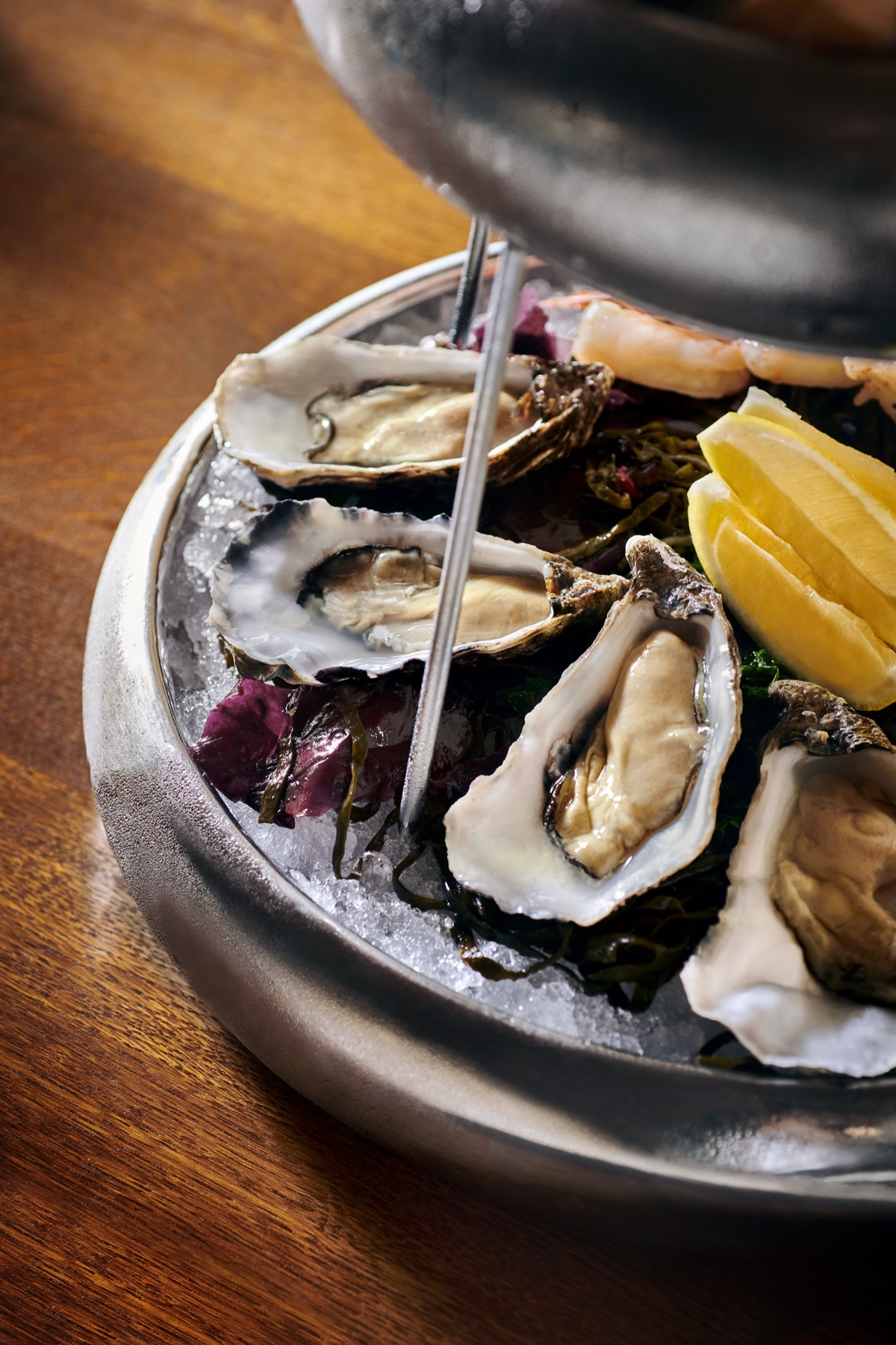
Furnas is a small town on the eastern end of São Miguel built around a geothermal field of boiling mud pools, steam vents, and thermal springs. The “cozido das Furnas” — a traditional Portuguese stew slow-cooked underground in volcanic heat for six hours — is one of the most distinctive culinary experiences in Europe. Eat it at Tony’s restaurant or Zeca da Lagoa after watching the pots being retrieved from the ground. The Terra Nostra botanical garden, fed by a warm iron-rich thermal pool that turns bathers orange, is an extraordinary 18th-century garden with a thermal bathing pool at its center.
Whale Watching in the Azores
The Azores waters are among the best whale watching destinations on earth — sperm whales are year-round residents, and the archipelago lies on migratory routes for over 20 other whale species including blue whales, fin whales, and humpbacks. The traditional whale watching industry here uses land-based spotters (vigias) in clifftop towers — a method unchanged since the 19th century whaling era. VV Shore Things includes Azores whale watching excursions on transatlantic sailings.
Ponta Delgada Old Town
The city itself is worth two or three hours on foot. The black-and-white basalt paço do concçho (town hall), the Portas da Cidade (city gates), and the Fort of São Brás along the waterfront give the city a distinctly Portuguese character that differs markedly from anything else on the VV European network. Good coffee, excellent pastries, and local Azorean cheeses and pineapples (grown in greenhouses using volcanic heat) round out the food story.
Furnas Geothermal Valley
Furnas is a geothermal valley on São Miguel where hot springs, fumaroles, and boiling mud pools emerge throughout the landscape. The local specialty — cozido das Furnas — is a meat stew cooked underground by geothermal heat for six hours. The combination of volcanic landscape, geothermal cooking tradition, and thermal spa facilities makes Furnas one of the most distinctive valley visits in the Atlantic world.
Whale Watching in the Azores
The Azores is one of the premier whale watching destinations in the world. The deep waters of the mid-Atlantic surrounding the islands are year-round habitat for sperm whales, and the migration routes of blue whales, sei whales, fin whales, and humpback whales pass through Azorean waters seasonally. Virgin Voyages Shore Things offers whale watching from Ponta Delgada with vigia (lookout) spotters on the hilltops providing radio coordinates to the boats below — book this Shore Thing immediately, as sperm whale sightings are reliably high.
Portuguese Architecture and the Portas da Cidade
Ponta Delgada is a compact city of elegant 18th and 19th century Portuguese architecture, black-and-white volcanic stone paving, and the Portas da Cidade (the city gates, the iconic symbol of the archipelago). The City Market and the Museu Carlos Machado — covering natural history and Azorean culture — are the primary cultural visits within walking distance of the cruise terminal.
Insider Tips from Joel and Erin
- The Azores rewards the full day. Ponta Delgada is not a walking-distance port. The best experiences — Sete Cidades, Furnas — require transportation and time. Commit to one of them rather than trying to do both.
- Furnas cozido must be booked in advance. The underground-cooked stew is served only at lunch and runs out. Call ahead (or book through VV Shore Things) to guarantee a table.
- The Azores as a transatlantic transition experience is extraordinary. After several sea days crossing the Atlantic, arriving in the Azores — volcanic, green, mid-ocean, ancient — creates a sense of arrival that no conventional first-European-port can replicate. Take it in consciously.
Ready to Cross the Atlantic?
Joel and Erin are certified First Mates. The transatlantic sailings that include the Azores are some of the most distinctive VV voyages available. Let them help you book one.
Book your Virgin Voyages cruise at CruisePlanner.pro — and discover the island in the middle of the ocean